Why companies need to act now.
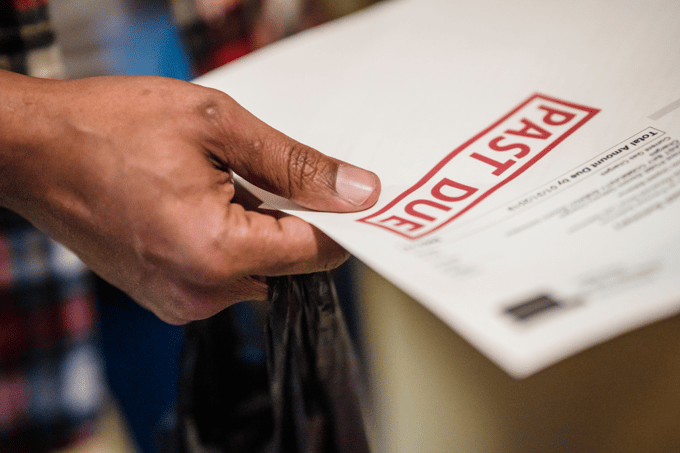
The UK government has just unveiled what it calls the toughest crackdown on late payments in a generation, with sweeping reforms that will change how large businesses pay their suppliers. These reforms are not optional - they’re set to be baked into law. And if you don’t get ahead of them now, you could be facing fines running into millions, regulatory scrutiny, and reputational damage that sticks.
This isn’t scaremongering.
It’s reality. And it’s coming fast.
Why is this happening?
The government’s reasoning is simple: late payments are killing small businesses.
- They drain around £11 billion a year from the UK economy.
- Over 1.5 million SMEs are affected annually.
- For many small suppliers, waiting 60, 90, or 120 days for payment is not just inconvenient - it can mean the difference between survival and closure.
SMEs, contractors, and freelancers are the backbone of the supply chain. When they collapse, the ripple effects hit everyone, including the large businesses they supply. So ministers are drawing a hard line: big companies must pay on time, no excuses.
The key reforms you can’t ignore
Here’s what’s on the table. You’ll notice it’s not just about culture change; it’s about hard deadlines, mandatory penalties, and transparency baked into company law.
- Maximum payment terms
Payment terms will be capped at 60 days, with no exemptions for “industry standard” clauses or “mutual agreements.” After a transition period, this cap will reduce to 45 days.
That means if you’re currently operating on 90-day terms, you’ll need to overhaul your processes - and fast.
- 30-Day invoice verification window
From the day an invoice lands, you’ll have 30 days to dispute it. If you don’t, the full amount becomes due within the agreed payment term.
No more dragging out disputes as a way of managing cash flow.
- Statutory interest becomes mandatory
The Late Payment of Commercial Debts (Interest) Act 1998 is being strengthened. From now on, statutory interest on late payments will be automatic and unavoidable. Companies won’t be able to negotiate it away or rely on alternative remedies.
This means that every late invoice isn’t just a supplier grievance - it’s a financial liability that accrues extra cost.
- Fines and spot checks from the Small Business Commissioner
The Small Business Commissioner (SBC) is gaining teeth. Expect:
- Spot checks on large companies’ payment practices.
- Investigations into persistent offenders.
- Fines in the millions for those who consistently delay payments.
- If your business has ever relied on the fact that enforcement is lax, think again.
- Board-level accountability
Payment practices are about to become a boardroom issue.
Boards and audit committees will be legally required to review and comment on their company’s payment data before it is submitted to government. That data will then be published in annual directors’ reports.
In other words: not only will regulators know if you’re a late payer - so will your investors, partners, and the wider public.
- The Fair Payment Code (Gold, Silver, Bronze)
The voluntary Prompt Payment Code has been retired and replaced with the Fair Payment Code, which ranks companies as Gold, Silver, or Bronze based on how quickly they pay suppliers.
While joining is voluntary for now, reputationally it won’t stay that way for long.
Do you really want to be the company wearing a Bronze badge when your competitors boast Gold?
Timeline: What’s happening when?
- January 2025: The Fair Payment Code launched (voluntary).
- July 2025: Government consultation opened on detailed legislative measures.
- 2026 onwards: New laws expected to come into force - maximum payment terms, statutory interest requirements, fines, and board-level reporting.
In other words: the clock is already ticking.
Why large companies should care (and act now)
This crackdown is not about nudging behaviour - it’s about enforcement. And the risks for large businesses that don’t get their house in order are significant.
- Mandatory fines from the SBC for repeat offenders.
- Statutory interest stacking up on late invoices.
- Legal costs from disputes that can no longer be dragged out.
- Payment practices will be published in directors’ reports.
- Media scrutiny will be intense - expect “name and shame” lists.
- Suppliers will know exactly who the slow payers are, and may walk away.
- Finance teams will face increased administrative pressure from tighter deadlines.
- Without streamlined systems, expect bottlenecks, compliance errors, and missed payments.
- Directors and audit committees will need accurate, timely data - which manual systems can’t deliver at scale.
In short: failing to modernise invoice processing and payment practices could quickly become a multi-million-pound liability.
Why invoice automation is no longer optional
Here’s the good news: technology exists to solve most of these problems.
Invoice automation platforms can:
- Process invoices instantly (no more piles of paper or lost emails).
- Enforce verification deadlines automatically, flagging issues before the 30-day window closes
- Schedule payments in line with the new legal caps, so nothing slips through the crack
- Generate compliance reports for boards and audit committees at the click of a button.
- Track and evidence disputes transparently, protecting your business in case of investigation.
Think of it as future-proofing your payment processes. With automation, you’re not just paying suppliers faster you’re protecting your company.
A cultural shift for finance teams
These reforms aren’t just about plugging in a new system. They signal a broader cultural change:
- Paying suppliers promptly will no longer be a “nice to have.” It will be a core compliance requirement.
- Boards will expect clear data on payment practices.
- Investors will increasingly view late payment fines and interest as red flags for governance failures.
For large businesses, this means finance teams must move from seeing payment terms as a lever of working capital to treating them as a regulated process with zero room for error.
What you should do next
If you’re a large business leader, CFO, or head of finance, here’s your roadmap:
- Audit your current payment terms
How many of your supplier contracts exceed 60 days? Start identifying which need renegotiating now.
- Assess your invoice processing system
Are you still relying on manual checks, emails, and spreadsheets? If so, you’re at risk.
- Map your disputes process
Can your team reliably dispute invoices within 30 days — and document it?
- Engage the board early
Directors will soon be personally signing off on payment data. Get them involved in reform now.
- Adopt automation technology
Invoice automation isn’t just a tool - it’s your compliance shield. It ensures you hit deadlines, avoid fines, and can demonstrate good practice to regulators and shareholders.
The bottom line
The UK government is serious: late payments will no longer be tolerated. The days of 90-day terms, open-ended disputes, and quiet negotiations are ending.
For large companies, this is both a compliance challenge and an opportunity. Those who modernise their payment systems and embrace invoice automation will not only avoid fines — they’ll also build stronger supplier relationships, boost their reputation, and free up finance teams to focus on strategy rather than firefighting.
So the question is: are you ready to pay up on time?
Because soon, you won’t have a choice.
Eliminate late payments before they cost you millions
Want to see how invoice automation can keep you compliant - and stop late payments becoming a liability? Book a demo today.
Authored by Tom Fortnum
Tom Fortnum helps finance leaders transform Accounts Payable from a manual, error-prone process into a streamlined, automated function. With experience in data analytics and business intelligence, Tom brings a sharp eye for process improvement and financial oversight, supporting organisations in tackling common AP challenges like high processing costs, lack of visibility, duplicate payments, and invoice fraud.